
Hearing plays a vital role in a child’s overall development. From the first moments of life, children learn about the world through sound—listening to voices, responding to emotions, and gradually developing speech and language. When hearing loss is present and not addressed early, it can affect communication, learning, and social growth. This is where early hearing aid use in children becomes incredibly powerful.
Early identification of hearing loss and timely use of hearing aids can make a life-changing difference. In this blog, we explore why early hearing aid intervention is so important, how it supports a child’s development, and what parents and caregivers need to know.
Understanding Hearing Loss in Children
Hearing loss in children can be:
- Congenital (present at birth)
- Acquired (developing later due to infections, illness, or injury)
It may range from mild to profound and can affect one ear or both. Common causes include genetic factors, complications during pregnancy or birth, infections like meningitis, chronic ear infections, and exposure to loud noise.
Thanks to newborn hearing screening programs, hearing loss can now be detected within the first few days or months of life. However, detection alone is not enough—early action is key.
Why Early Intervention Matters
A child’s brain develops rapidly in the first few years of life. This period is critical for:
- Speech and language development
- Cognitive growth
- Social and emotional bonding
When the brain does not receive sound input during this crucial window, it may struggle to process speech later, even if hearing is corrected at an older age.
The “Critical Period” of Hearing
The first 3–5 years of life are often referred to as the critical period for auditory and language development. During this time:
- The brain learns to recognize sounds
- Neural pathways for hearing and speech are formed
- Listening skills are naturally acquired
Early hearing aid use ensures the brain gets the sound stimulation it needs at the right time.
How Hearing Aids Help Children
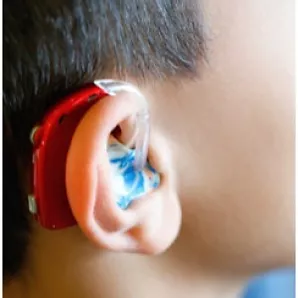
Hearing aids are small electronic devices designed to amplify sounds and make speech clearer. For children with hearing loss, they act as a bridge—connecting them to sounds they would otherwise miss.
Key Benefits of Hearing Aids in Children:
- Improved access to speech and environmental sounds
- Better speech clarity
- Support for language learning
- Enhanced awareness of surroundings
Modern pediatric hearing aids are safe, comfortable, and specially designed for growing ears.
Speech and Language Development
One of the biggest advantages of early hearing aid use is its impact on speech and language skills.
Children learn to speak by listening and imitating sounds. When hearing loss limits access to sound:
- Speech may be delayed
- Pronunciation may be unclear
- Vocabulary growth may be slow
With early hearing aid use:
- Children hear speech clearly and consistently
- They learn sounds naturally through daily interaction
- Language development can progress closer to that of normal-hearing peers
Research consistently shows that children who receive hearing aids early develop stronger communication skills than those who receive them later.
Cognitive and Academic Benefits
Hearing is closely linked to learning. In classrooms, children need to:
- Follow instructions
- Participate in discussions
- Learn new words and concepts
Untreated hearing loss can lead to:
- Difficulty understanding teachers
- Poor academic performance
- Attention and concentration challenges
Early hearing aid use helps children:
- Process information more effectively
- Build foundational learning skills
- Enter school better prepared
Children who hear well are more confident learners.
Social and Emotional Development
Hearing loss can sometimes make children feel isolated. They may struggle to:
- Communicate with peers
- Participate in group play
- Understand social cues
This can affect self-esteem and emotional well-being.
Early hearing aid use supports:
- Better interaction with family and friends
- Stronger emotional bonding with parents
- Increased confidence in social settings
When children can hear and communicate, they feel more included and secure.
Family Bonding and Communication
The early years are crucial for parent-child bonding. Everyday interactions—talking, singing, reading, and responding to sounds—build emotional connections.
Hearing aids help children:
- Recognize parents’ voices
- Respond to sounds and names
- Engage more actively with family members
For parents, this creates a more natural and rewarding communication experience.
Early Use vs Delayed Use: The Difference
The timing of hearing aid fitting makes a significant difference.
Early Hearing Aid Use:
- Supports natural language development
- Helps the brain adapt to sound easily
- Leads to better long-term outcomes
Delayed Hearing Aid Use:
- May result in speech and language delays
- Requires more intensive therapy later
- Can affect academic and social skills
Simply put, the earlier the child hears, the better the outcome.
Role of Hearing Tests and Follow-Up
Early hearing aid use is most effective when combined with:
- Regular hearing assessments
- Proper hearing aid fitting and adjustment
- Ongoing monitoring as the child grows
Children’s ears grow quickly, so hearing aids must be checked and adjusted regularly to ensure optimal performance.
Supporting Hearing Aid Use at Home
Parents and caregivers play a crucial role in making early hearing aid use successful.
Tips for Parents:
- Encourage consistent daily use
- Make hearing aids part of the child’s routine
- Speak clearly and frequently to your child
- Read aloud and engage in conversations
- Attend speech and hearing therapy sessions if recommended
Positive reinforcement helps children accept and benefit from hearing aids.
Addressing Common Parental Concerns
“Is my child too young for hearing aids?”
No. Hearing aids can be fitted safely even in infants as young as a few weeks old.
“Will hearing aids damage my child’s hearing?”
No. When fitted correctly by professionals, hearing aids are safe and designed specifically for children.
“What if my child refuses to wear them?”
With patience, routine, and support, most children adapt well. Early fitting actually increases acceptance.
Hearing Aids and Speech Therapy: A Powerful Combination
Hearing aids provide access to sound, but speech and language therapy helps children learn how to use those sounds effectively.
Together, they:
- Improve listening skills
- Enhance speech clarity
- Support overall communication development
Early intervention programs often combine both for the best results.
Long-Term Impact of Early Hearing Aid Use
The benefits of early hearing aid use extend far beyond childhood. Children who receive early intervention are more likely to:
- Succeed academically
- Develop strong communication skills
- Build healthy relationships
- Live independent, confident lives
Early hearing support lays the foundation for lifelong success.
When Should Parents Take Action?
Parents should seek hearing evaluation if:
- Newborn hearing screening indicates concern
- The child does not respond to sounds
- Speech development is delayed
- The child frequently asks for repetition
Early consultation with an audiologist or ENT specialist ensures timely care.
The Role of Awareness and Education
Raising awareness about childhood hearing loss is essential. Many delays occur not because treatment isn’t available, but because hearing loss is misunderstood or ignored.
Educating parents, teachers, and caregivers helps ensure children receive the support they need at the right time.