
Hearing loss is a widespread health condition that affects people of all ages, from newborns to older adults. Despite being common, it often goes unnoticed or untreated for long periods, especially when it develops gradually. Hearing is essential for communication, learning, safety, and social connection. When hearing loss is ignored, it can affect emotional well-being, relationships, education, and work performance. Understanding hearing loss in detail helps individuals recognize the signs early and seek the right care.
What Is Hearing Loss?
Hearing loss is the reduced ability to hear sounds clearly or at normal volume. It may affect one ear (unilateral hearing loss) or both ears (bilateral hearing loss). Some people struggle to hear soft sounds, while others have difficulty understanding speech, particularly in noisy environments. Hearing loss can be temporary or permanent, depending on its cause and severity.
The hearing process involves sound waves traveling through the outer ear, middle ear, inner ear, and auditory nerve to the brain. Damage or blockage at any stage of this process can result in hearing loss.
Major Causes of Hearing Loss
Hearing loss can develop due to several factors, some preventable and others unavoidable.
1. Age-Related Changes
As people age, the inner ear structures naturally wear down. This condition, known as presbycusis, usually affects both ears and makes high-pitched sounds harder to hear. Conversations may sound unclear, especially in crowded places.
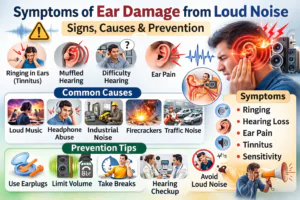
2. Exposure to Loud Noise
Long-term exposure to loud sounds is one of the leading causes of preventable hearing loss. Common sources include industrial machinery, traffic noise, loud music, concerts, and prolonged use of earphones at high volumes.
3. Ear Infections and Earwax
Middle ear infections, fluid accumulation, or excessive earwax can block sound transmission and lead to temporary hearing loss. If untreated, repeated infections may cause permanent damage.
4. Congenital and Genetic Factors
Some individuals are born with hearing loss due to genetic conditions or complications during pregnancy or birth. Hearing loss may also appear later in life due to inherited factors.
5. Illnesses and Medications
Diseases such as meningitis, measles, mumps, diabetes, and high blood pressure can affect hearing health. Certain medications, including some antibiotics and chemotherapy drugs, can also damage the inner ear.
6. Head or Ear Trauma
Injuries to the head or ear can damage hearing structures, resulting in sudden or progressive hearing loss.
Different Types of Hearing Loss
Hearing loss is categorized into three main types based on the affected part of the ear.
Conductive Hearing Loss
This occurs when sound cannot pass efficiently through the outer or middle ear. Common causes include earwax buildup, ear infections, fluid in the middle ear, perforated eardrum, or abnormalities of the ear bones. Conductive hearing loss is often treatable.
Sensorineural Hearing Loss
Sensorineural hearing loss results from damage to the inner ear or auditory nerve. It is the most common type and is usually permanent. Aging, noise exposure, and genetic factors are the main causes. Hearing aids or cochlear implants are commonly used for management.
Mixed Hearing Loss
Mixed hearing loss is a combination of conductive and sensorineural hearing loss, meaning both sound transmission and nerve processing are affected.
Symptoms and Warning Signs
Hearing loss often develops slowly, making it easy to ignore early symptoms. Common warning signs include:
- Difficulty following conversations
- Trouble hearing in noisy environments
- Frequently asking people to repeat themselves
- Increasing TV or phone volume
- Ringing or buzzing sounds in the ears
- Feeling tired after conversations
- Avoiding social interactions
In children, hearing loss may show as delayed speech, poor listening skills, or learning difficulties.
How Hearing Loss Is Diagnosed
A proper hearing evaluation is essential to determine the type and degree of hearing loss. An audiologist or ENT specialist conducts various tests, such as:
- Pure Tone Audiometry to measure hearing levels
- Speech Testing to evaluate clarity of speech understanding
- Tympanometry to check middle ear function
- OAE and BERA tests for infants and young children
Early diagnosis allows timely treatment and better outcomes.
Treatment Options for Hearing Loss
The management of hearing loss depends on its cause and severity.
Medical Treatment
Temporary hearing loss caused by infections, fluid, or earwax can often be treated with medication or simple procedures.
Hearing Aids
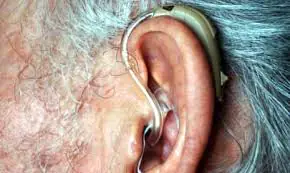
Hearing aids are the most common solution for permanent hearing loss. Modern digital hearing aids are discreet, comfortable, and equipped with advanced features such as background noise reduction, directional microphones, and wireless connectivity.
Cochlear Implants
For individuals with severe to profound hearing loss who gain limited benefit from hearing aids, cochlear implants may be recommended. These devices directly stimulate the auditory nerve to provide sound perception.
Assistive Listening Devices
Additional devices such as amplified telephones, TV listeners, and FM systems help improve hearing in specific situations.
Rehabilitation and Counseling
Speech therapy, auditory training, and counseling help individuals adapt to hearing loss and improve communication skills.
Preventing Hearing Loss
Although not all hearing loss can be prevented, simple steps can protect hearing health:
- Limit exposure to loud sounds
- Use earplugs or earmuffs in noisy environments
- Keep personal audio devices at safe volume levels
- Avoid inserting objects into the ears
- Treat ear infections early
- Schedule regular hearing check-ups
Life With Hearing Loss
Living with hearing loss can be challenging, but with the right support and technology, individuals can lead confident and active lives. Early intervention improves communication, relationships, and overall quality of life. Awareness, acceptance, and timely treatment play a key role in managing hearing loss effectively.
Hearing loss is not just a medical condition—it is a quality-of-life issue. Paying attention to hearing health and seeking professional guidance when symptoms appear can make a lasting difference.